
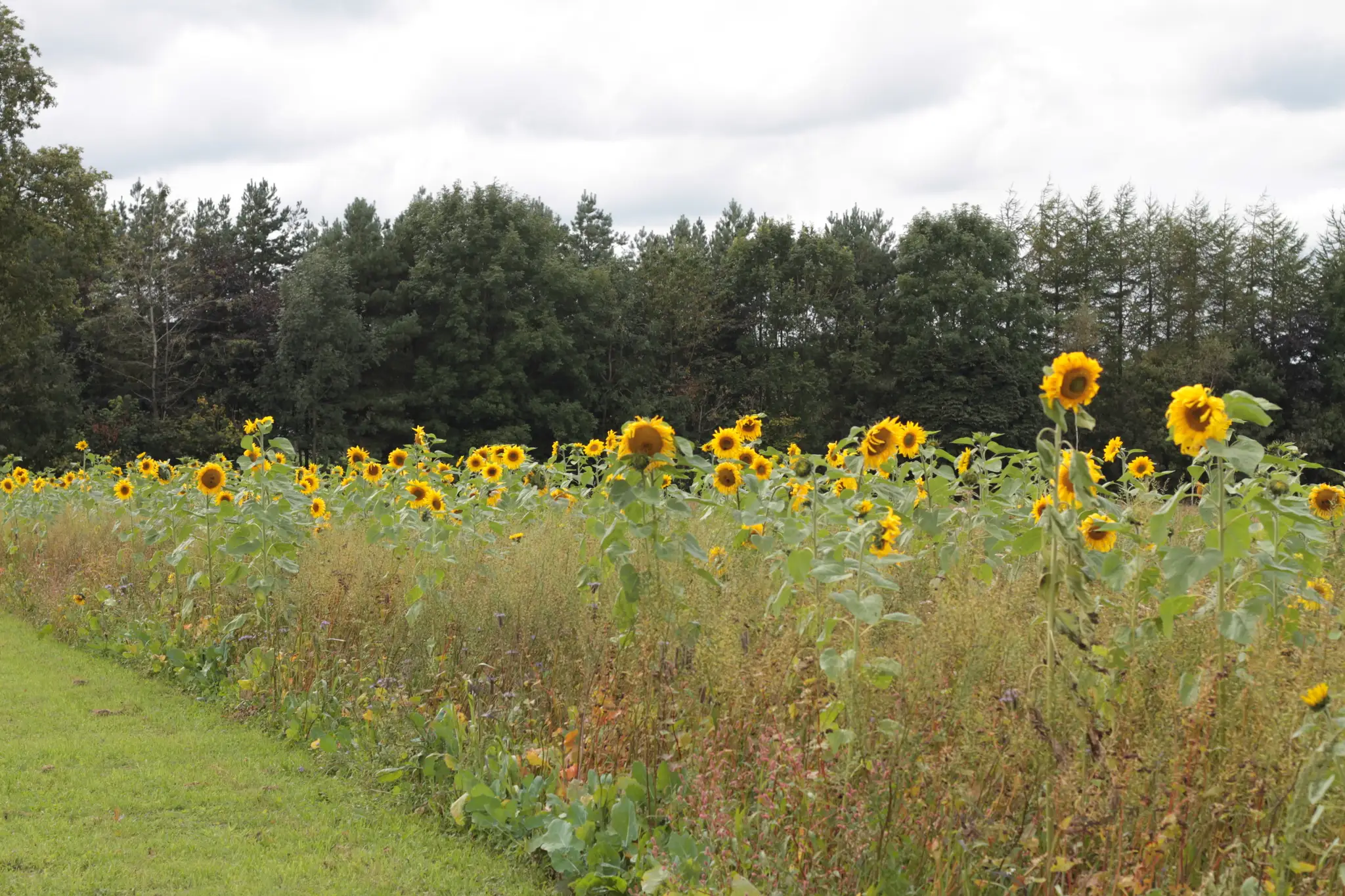
 Conventional
SFI · CAHL2
CAHL2: winter bird food.
A block or strip of small seed-bearing crops left standing for birds through the winter. £648 a hectare a year for new SFI26 agreements.
- Payment
- £648per hectare a year, for new SFI26 agreements
- Last checked
- 12 November 2026
- Official rules
- CAHL2 on gov.uk (opens in a new tab)
What you sow
A winter bird food mix, as a block or a strip, with at least six small seed-bearing crops suited to small farmland birds. It can be an annual mix, or a two-year mix that includes biennials such as kale, stubble turnip and teasel.
Some crops aren't allowed: artichokes, reed canary grass, giant or intermediate sorghum, maize, miscanthus, sweet clover and tic beans.
When, and for how long
- Establish it so it flowers in its first summer, usually by the end of June. Most mixes are sown between March and June.
- The seed must be there from late autumn to late winter, usually to about the end of February.
- Re-sow annual mixes every year and two-year mixes every other year.
Managing it
No regular vehicle access, turning or storage. The guidance suggests plots of 0.4 to 5 hectares. It's a limited-area action: with CAHL1 and the other limited-area actions, up to 25% of the farm's agricultural area.
Where the action stands
CAHL2 pays £648 per hectare a year for new SFI26 agreements (it was £853 under SFI24). SFI26 closed to new applications on 22 September 2026, when its budget was used up. Defra says farmers who missed out will have another chance in 2027; no dates have been given. If you already have an SFI 2023 or 2024 agreement, it carries on at the rates you agreed — the SFI26 changes only apply to new agreements.
Fits CAHL2
Our mixes for CAHL2.
Each card shows every scheme option the mix is listed for. Check the current rules before you order seed for an agreement.
Conventional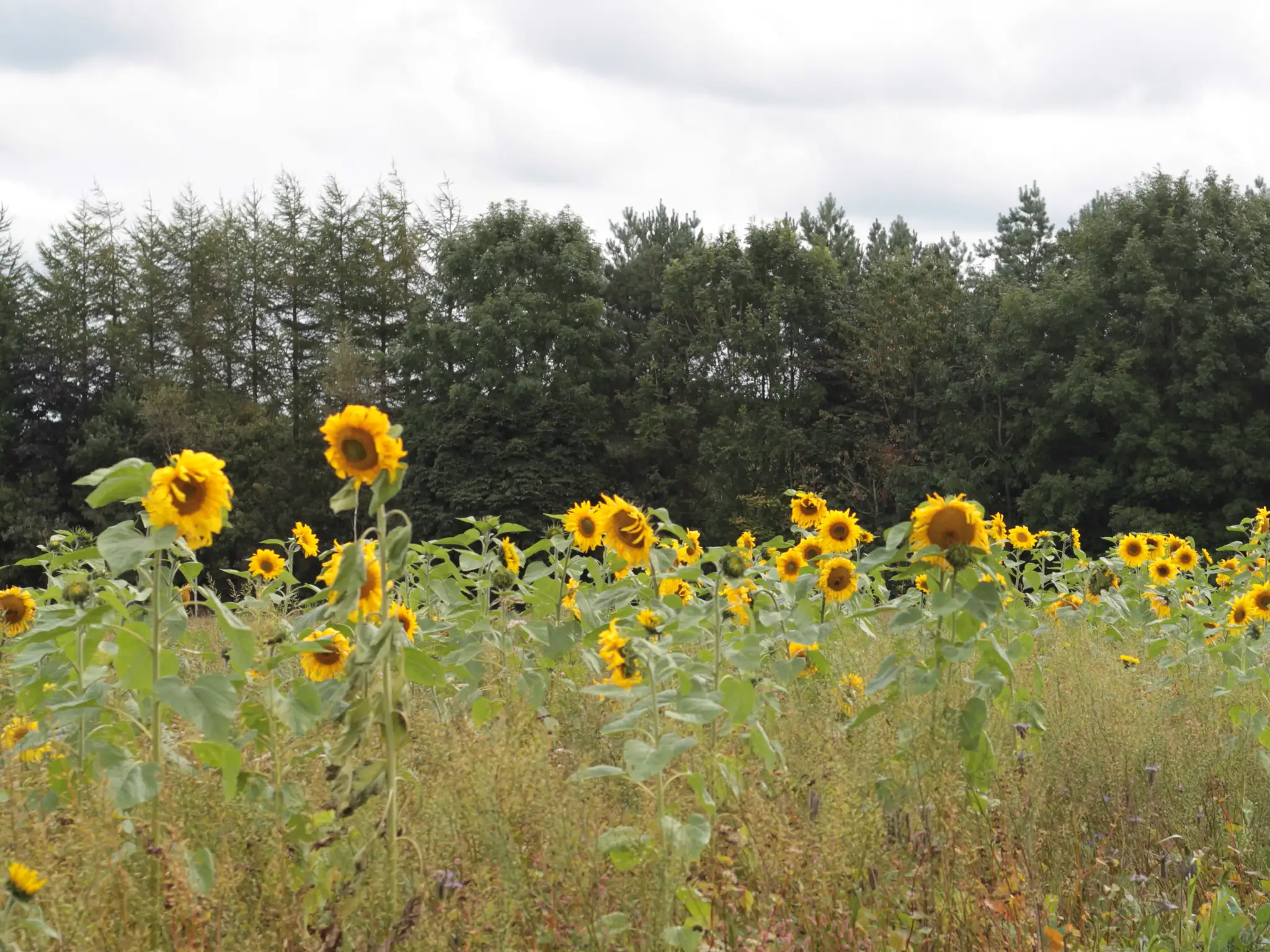 Organic
 GALLANT
Decorative Winter Bird Mixture
Environmental
Available to order
£75.02/ 12.5 kg · VAT-free
View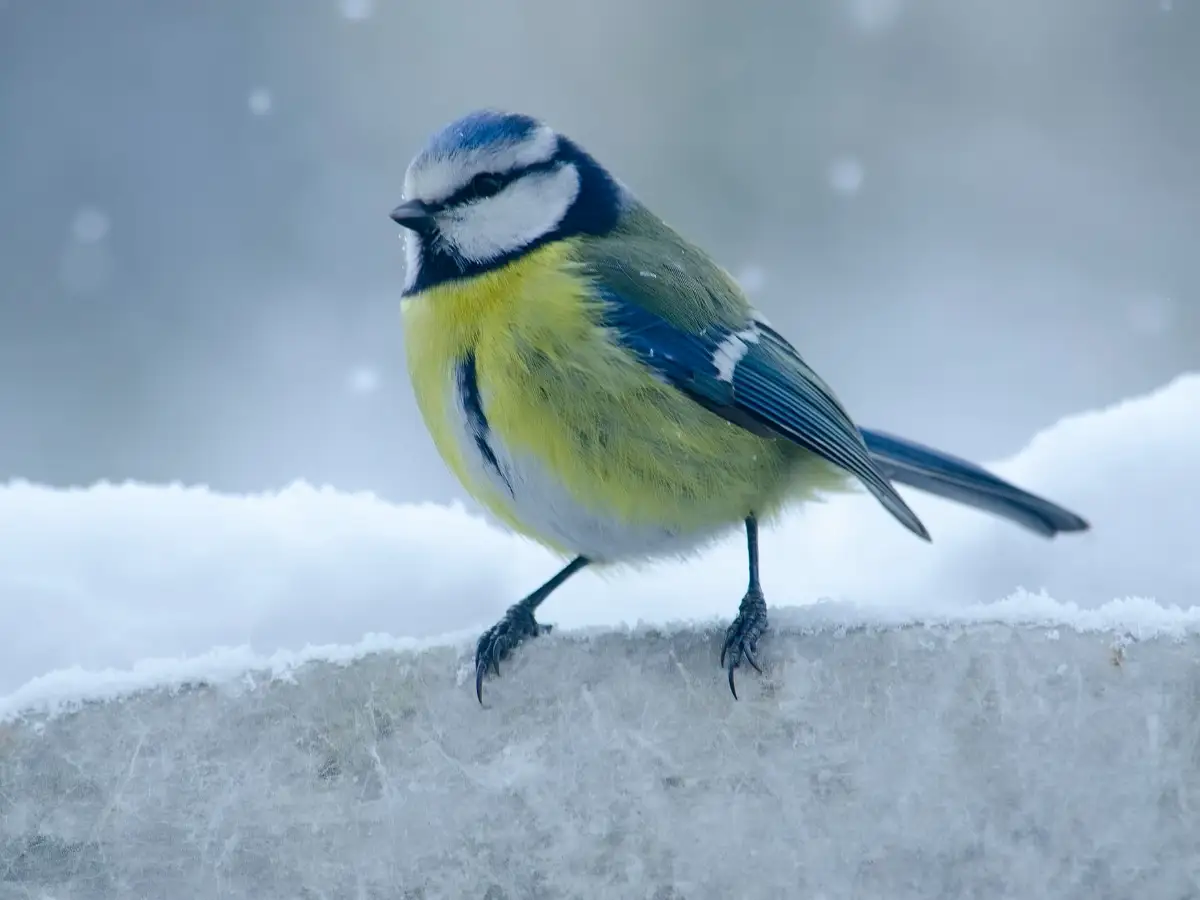 Organic
 WINTER BIRD 2-Year Mix
Essential Food Resource for Wild Birds
Environmental
Available to order
£78.65/ 25 kg · VAT-free
View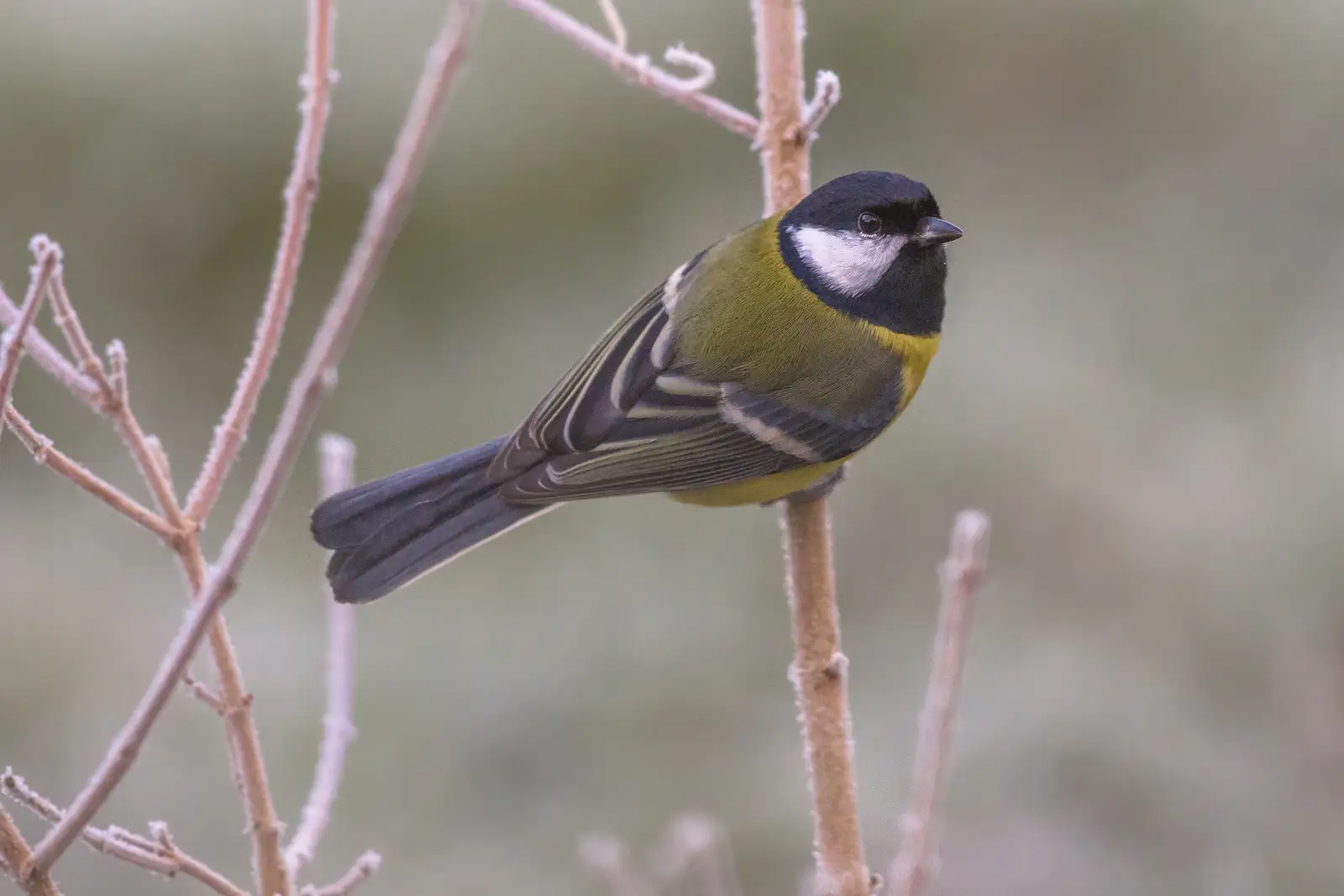 Organic
 WINTER BIRD Annual Mix
Essential Food Resource for Wild Birds
Environmental
Available to order
£45.98/ 20 kg · VAT-free
View Conventional
Winter Bird Annual Mix
Essential Food Resource for Wild Birds
Environmental
Available to order
£38.72/ 20 kg · VAT-free
View Conventional
Winter Bird Two-Year Mix
Essential Food Resource for Wild Birds
Environmental
Available to order
£62.01/ 25 kg · VAT-free
ViewCommon questions.
Both are allowed. An annual mix is re-sown every year; a two-year mix adds biennials and is re-sown every other year.
Establish it so it flowers in its first summer, usually by the end of June; most mixes are sown between March and June. The seed must then be there from late autumn to the end of winter.
Not sure it fits?
Ask us before you apply.
Tell us the option and the field. We'll tell you which mix meets the rules — or blend one that does.