
SFI & schemes · 5 min read
Environmental seed mixes: legume fallow, bird food, pollen and nectar, and summer cover
What each kind of environmental mix does, how to choose and sow one, and which agri-grant options our mixes are suitable for.

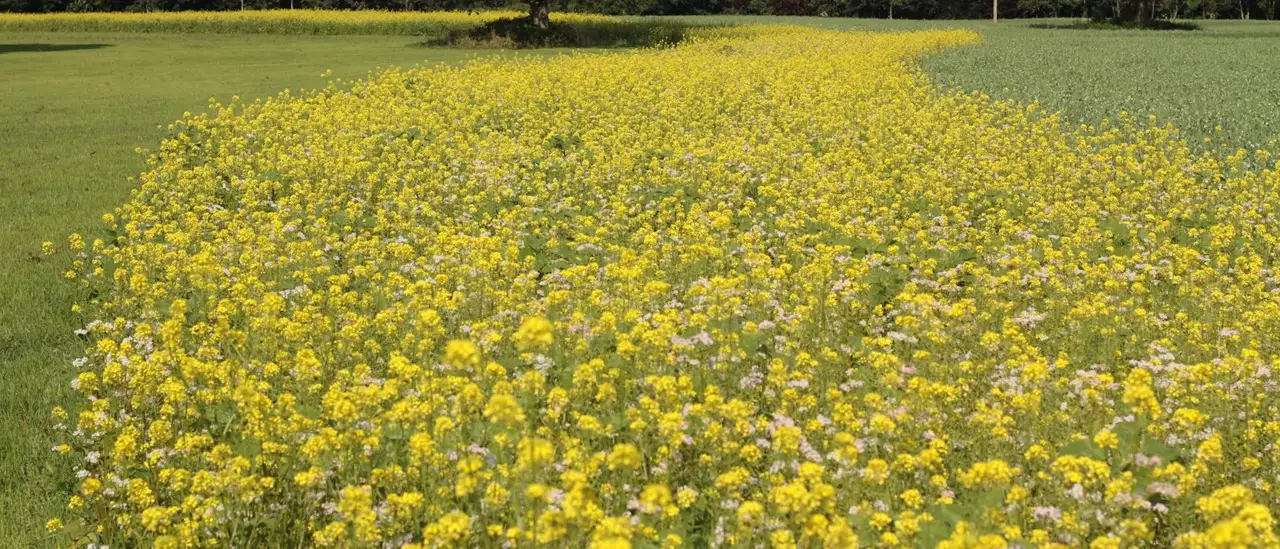
Why environmental mixes?
Heavy use of herbicides and pesticides has done lasting harm to our native wild plants and animals. Environmental mixes put some of that back. Most are sown for a agri-grant scheme options, but you can sow them simply to do your bit. We sell four kinds of environmental mixtures, as either organic or conventional seed:
- Legume fallow, to rest land, look after the soil and feed pollinators;
- Winter bird food, to leave seed standing for farmland birds;
- Pollen and nectar, to feed bees, butterflies and hoverflies;
- Summer cover, to protect and build the soil.
Legume fallow: ATTAIN and METTLE
Both mixes have six flowering legume species. They grow and flower from late spring through the summer, then give green cover over the winter. Legume fallow is designed to help manage nutrient efficiency and improve soil health, while giving pollinators pollen and nectar. Grown close to cropped areas, it encourages natural predators of crop pests.
- ATTAIN: a blend of six flowering legumes.
- METTLE: the same six legumes as in ATTAIN plus a perennial ryegrass, which helps smother broad-leaved weeds.
Both come in 20 kg bags that sow one hectare.
Winter bird food: annual, two-year and GALLANT
These mixes are sown to give farmland birds a supply of seed through the autumn and winter. Sow them in a sunny, fertile spot.
- Winter Bird Annual Mix: produces a rich, steady supply of small seeds through autumn and winter. 12.5 kg bags sow half a hectare.
- Winter Bird Two-Year Mix: a diverse selection of crop varieties, chosen to keep pest and disease risk down while feeding birds over two seasons. 25 kg bags sow half a hectare.
- GALLANT: unlike other winter bird mixes, it has no cereal. It flowers and sets seed over a long season, giving nectar for insects and food for birds from May through to December or January. In full flower it is a striking sight, so it suits a prominent spot on the farm. 12.5 kg bags sow half a hectare.
Pollen and nectar: PROGRESS
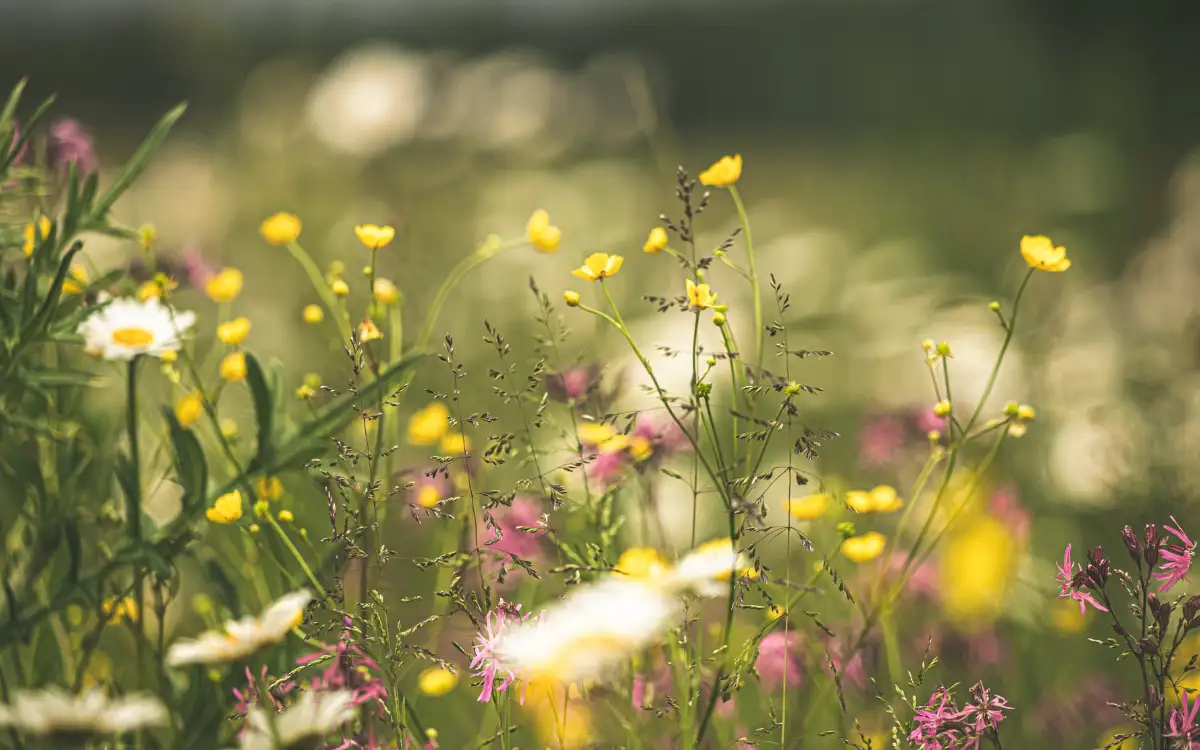
PROGRESS combines short-lived, nectar-rich flowers with perennial wildflowers, for flowers from late spring through the summer. It feeds bumblebees, solitary bees, butterflies and hoverflies. Sow it in blocks or strips, on a sunny, lower-yielding area. Close to crops, it encourages natural predators of crop pests too.
Summer cover: SHIELD
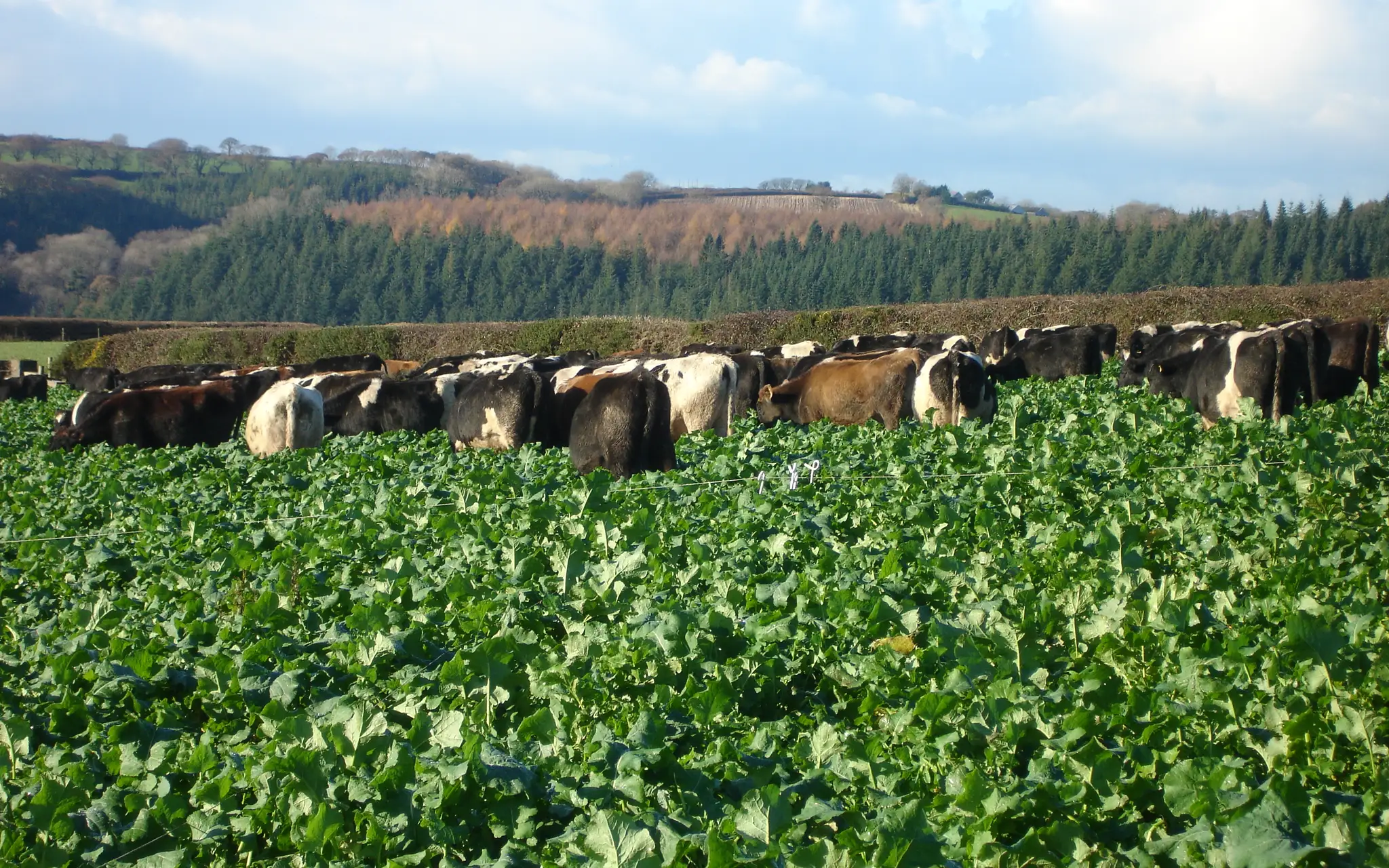
SHIELD is a multi-species cover crop for spring or summer sowing. It protects the soil surface, and its roots improve soil structure. It supports soil biology, keeps nutrient leaching, erosion and run-off to a minimum, and adds organic matter to the soil.
Choosing a mix
If you're in a scheme, the option you've chosen decides the mix (see below). Otherwise, start with the job you want done and the field you have:
- Resting land and looking after the soil: legume fallow. Choose METTLE if broad-leaved weeds are a worry.
- Feeding birds through the winter: the annual mix, or the two-year mix to feed over two seasons. Choose GALLANT if you want flowers as well and no cereal.
- Feeding pollinators: PROGRESS, on a sunny, lower-yielding area.
- Protecting soil sown in spring or summer: SHIELD.
Sowing
- Pick the right spot. Bird mixes want sun and fertile ground. PROGRESS wants sun on a lower-yielding area. Legume fallow and PROGRESS near cropped land help bring in pest predators.
- Work out the bags. Legume fallow bags sow one hectare; the bird mixes and GALLANT, half a hectare. The product pages give the bag size and coverage for PROGRESS and SHIELD.
- Timing. Your scheme option sets the sowing dates and how long the crop must stay. SHIELD is for spring or summer sowing. For the others, ask us for the window that fits your option.
- Your own mix. We can design and blend an environmental mix to your specification. Send it to us.
Scheme fit and rates
These are the options each mix is suitable for, with the rates in our catalogue as of 9 October 2026. SFI26 closed to applications in September 2026, and Defra says the next chance to apply is in 2027. Rules and rates change, so check the current guidance on gov.uk or gov.wales, or with your scheme, before you apply and before you order seed.
- SFI CNUM3, legume fallow: ATTAIN, METTLE and their organic versions. £532/ha for new SFI26 agreements.
- SFI CAHL2, winter bird food on arable and horticultural land: both bird mixes and GALLANT, organic and conventional. £648/ha for new SFI26 agreements.
- SFI CAHL1, pollen and nectar flower mix: PROGRESS and Organic PROGRESS. £739/ha for new SFI26 agreements.
- SFI SOH3, multi-species summer-sown cover crop: SHIELD and Organic SHIELD. £163/ha for new SFI26 agreements. (SOH2, the spring-sown version, isn't offered to new SFI26 agreements.)
- Wales, Growing for the Environment: the bird mixes were made for its wildlife cover crop options. Its last full window closed in November 2025; the Welsh Government says a successor opens in November 2026.
- Wales, SFS UA6-WB1, wildlife cover crop: both bird mixes and GALLANT. There's no separate rate: it counts towards the 10% habitat the scheme asks for, paid as the habitat maintenance payment (£69/ha in 2026) up to that 10%.
- Scotland, AECS Wild Bird Seed for Farmland Birds: both bird mixes, £322.63/ha a year.
For SFI CSAM2, multi-species winter cover crop, see ZIPPY PLUS in our forage crops range.
Choosing your mix
See every mix, organic and conventional, on our environmental and wildlife mixes range page. Not sure which fits your option or your field? Ask us.
Common questions.
METTLE adds a perennial ryegrass to the six flowering legumes to help smother broad-leaved weeds. ATTAIN is the same legumes without it.
It flowers and sets seed over a long season, giving food for birds from May through to December or January, and nectar for insects while it flowers.
Not in a new agreement: SFI26 dropped SOH2, the spring-sown cover crop. SHIELD suits SOH3, the summer-sown cover crop, which is still offered. Existing SFI24 agreements with SOH2 carry on as agreed.
Legume fallow ATTAIN and PROGRESS, grown close to cropped areas, encourage natural predators of crop pests. They also help look after soil health and structure.
Before you drill
Talk it through with an agronomist.
Tell us the field and what you want it to do. We'll help you settle the mix and the timing — and blend it if you'd like us to.
The Drill
Seasonal advice, in your inbox.
The Drill is our free newsletter delivered periodically to your inbox with seasonal advice and information. A few notes a season - no noise.