
Cereals · 5 min read
Growing Combicrop®: the complete guide
How spring cereals and a pea or bean blend grown together give you a home-grown, high-protein, high-starch feed — and how to drill, feed, harvest and use it.

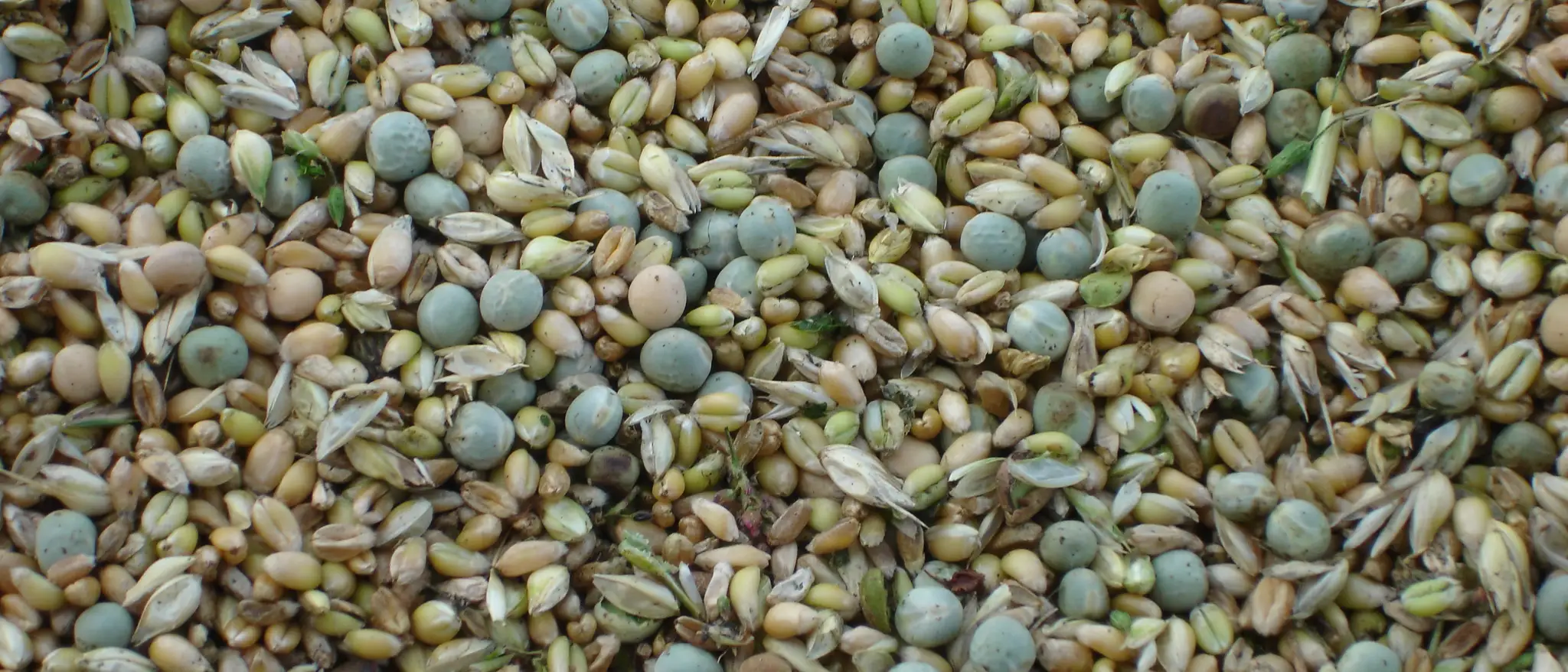
Why grow a cereal and a legume together?
Before artificial nitrogen became available to farmers, cereal/legume mixtures were sown to produce high protein forage wholecrops. Farmers found that this type of arable forage crop produced substantial amounts of nitrogen for the growing crop and left a substantial residue of available nitrogen in the soil. This residual nitrogen was readily available for following crop. They also found that the spring cereal/legume mixture had a very good effect on the soil structure, with the ploughman regularly commenting on how much easier it was to plough the field after the crop.
Over 25 years ago Western Seeds started researching a way to keep the benefits of growing cereals and peas together, but with the specific aim of producing a crop that could be combined. The combined crop could then be separated into cereals and peas for sale, or milled together to produce a high-starch, high-protein concentrate meal for feeding to stock.
The result of this research was Combicrops®.
Combcrops® with their much reduced need for artificial nitrogen (if any) and no requirement for fungicides, insecticides and crop stiffeners were initially aimed at organic farmers. However, with the current high costs of nitrogen and other crop inputs, conventional farmers are now turning more and more to growing Combicrops® to help them maximise their profitability.
What you gain
- More protein. Typically 50–60% more protein than the same cereal on its own, so you can grow a 13–18% protein concentrate and buy in far less. Grown for sale, the extra protein means a better price per tonne.
- Lower inputs. The legume fixes nitrogen for the cereal as it grows, so in good fertility conventional growers can often eliminate nitrogen. The mixture also keeps foliar disease low, so a fungicide is rarely needed.
- Something left for the next crop. Nitrogen left in the soil after harvest feeds the following crop, and the mixture helps to maintain the soil structure. The ploughman after harvest will confirm the improved soil structure.
- Good straw. As much straw as a cereal, often more, with a higher feed value and better palatability, due to the pea haulm.
- An early, safe harvest. If you can grow spring cereals, you can grow Combicrop®.
What the analysis showed
Natural Resource Management Ltd, who are independent of Western Seeds, compared a wheat sample with Combicrop® CHAMPION (wheat and pea). The Combicrop® sample carried around 45% more protein. Peas also have better digestibility and palatability than lupins or beans, are high in starch, and can be fed to more kinds of stock at higher rates.
Growing it
- Seedbed: prepare it as for wheat, barley or oats.
- Drilling: calibrate the drill as for any cereal and drill 2–4 cm deep. Combicrop® must be drilled, not broadcast. It arrives mixed and ready to drill.
- Seed rate: 75–120 kg per acre, depending on the mix — each product page gives its rate.
- Fertiliser: your usual fertiliser, but in good fertility you can often cut out the nitrogen. On organic farms, a good rotation provides all the fertility the crop needs.
- Weeds and disease: ask your herbicide supplier for a product that suits both the cereal and the legume. A fungicide is almost never needed. (Neither is used in organic farming.)
Harvesting and using it
Combicrop® can be used in three ways:
- Combined dry, for milling on farm. No combine adjustments beyond the routine ones for cereals. With a barley companion the peas ripen at the same time; with wheat or oats they ripen first and wait in the cover of the crop a few days until the wheat or oats are ready to combine.
- Crimped. A specific additive is needed for this high protein crop, so ask your additive supplier for the right additive, and check there's a crimping machine in your area that can handle a cereal and pea mixture.
- Wholecrop silage, fermented at 25–45% dry matter, or fermented and preserved at 50–70%. Again, ask your additive supplier which additive to use.
Milling and rolling are straight forward, though an old roller mill with smooth rollers can struggle to take the peas — a modern serrated roller works best.
Choosing your mix
There are wheat, barley, oat and bean pairings, organic and conventional versions. See them all on the Combicrop® range page, or ask us which suits your farm.
Common questions.
About the same as a well-grown spring cereal, often higher — with 50–60% more protein and less or no nitrogen needed.
We blend to a set ratio of seeds, not of weight. Because each batch's thousand-grain weight differs, the weight of cereal to pea varies a little from batch to batch.
Yes — PREMIUM undersows spring cereals and Combicrop® as a six-month cover.
Seed for this job
Related ranges.
Combicrop®
Cereal and legume Combicrop® mixtures. The profitable and sustainable way to grow your own high-protein, high-starch concentrate.
View rangeArable Silage
Not to be confused with wholecrop, our arable silage mixtures are developed for farmers needing a reliable way to establish a strong, healthy new ley in spring.
View range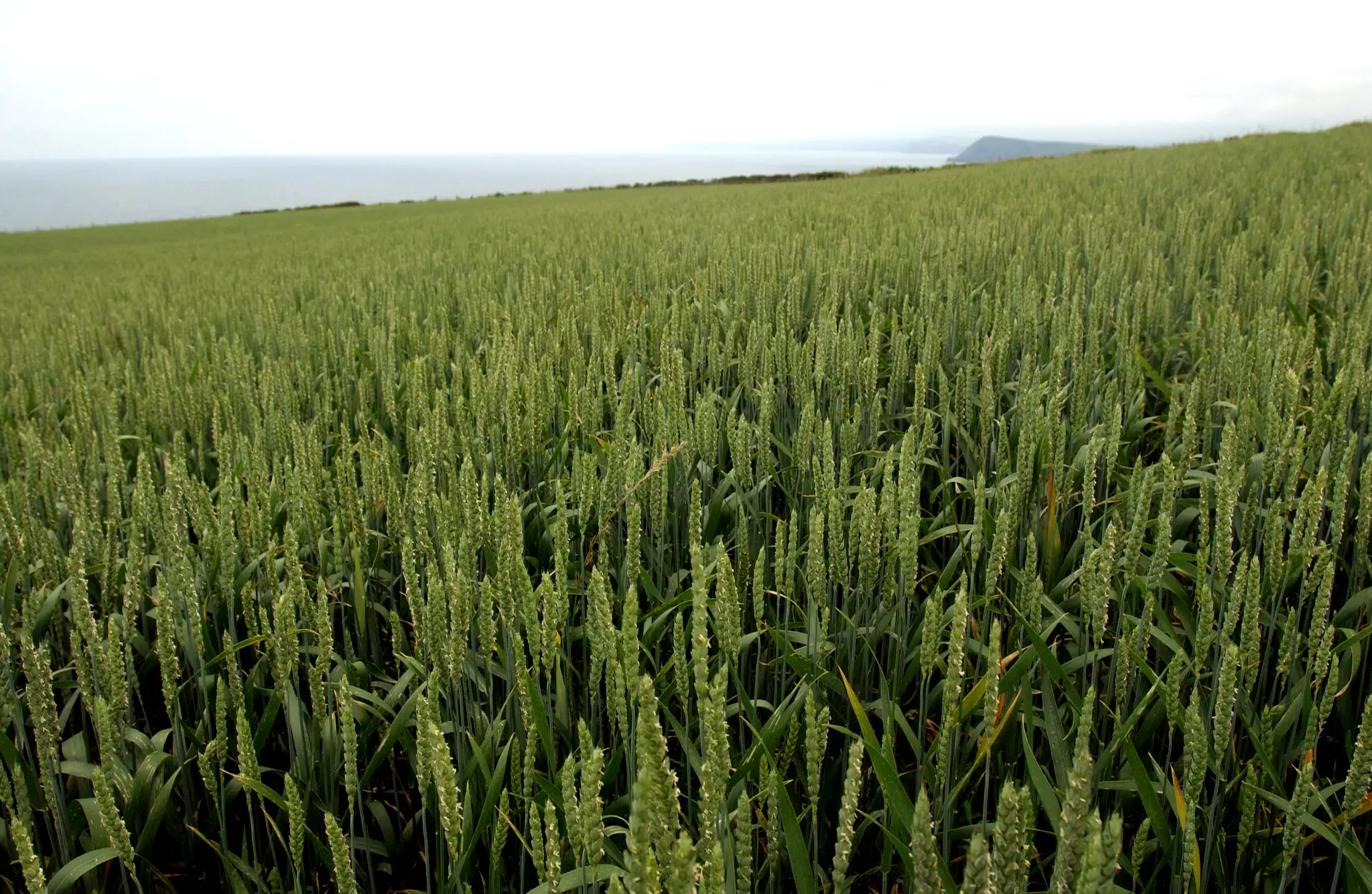

Before you drill
Talk it through with an agronomist.
Tell us the field and what you want it to do. We'll help you settle the mix and the timing — and blend it if you'd like us to.
The Drill
Seasonal advice, in your inbox.
The Drill is our free newsletter delivered periodically to your inbox with seasonal advice and information. A few notes a season - no noise.