
Grass & forage · 5 min read
Reseeding and overseeding grassland: repair, top up or start again
Not every tired field needs ploughing. Here's how to decide whether to stitch seed into the sward you have, put the clover and herbs back, or reseed, and how to give new seed its best chance.

Repair, top up or start again?
A field that has lost its yield doesn't always need ploughing. Before you buy seed, work out which of three jobs it needs:
- Repair. The sward is thin or gappy after poaching or drought, but what's left is still mostly good grass. Stitch new grass and clover into it.
- Top up. The grass is fine, but the clover or herbs have died out. Oversow clover, or herbs and clover.
- Start again. Weed grasses, docks or rushes have taken over, or you want the field to do a different job. Reseed it with a new ley.
Look at the sward first
Walk the field in spring or early autumn, when you can see what's growing. Stop at a few spots across it and judge roughly how much of the ground is the grasses you sowed, how much is weed grasses and broad-leaved weeds, and how much is bare. A common rule of thumb is that once the sown grasses make up less than about half the sward, a full reseed usually pays better than a repair.
Then find out why the field went downhill, or the new seed will go the same way. Dig a few holes a spade deep to look for compaction and standing water, and take a soil sample for pH, phosphate and potash. Put the lime and nutrients right, and loosen compacted soil if it needs it. If the field lies wet all winter, read grass leys for wet ground before you choose a mixture.
Repair without ploughing: SALVUS
SALVUS is our grass and clover mixture for restoring a ley damaged by poaching or drought, without ploughing it up. Broadcast or direct drill it into the existing sward at 5–10 kg per acre, depending on how much of the original grass is left. It establishes quickly and gives a thicker, sweeter sward with early spring growth.
- What's in it: four perennial and hybrid ryegrasses, diploid and tetraploid, with two white clovers making up 10% of the mix.
- Bags: Sold in 10 kg bags. On a ley that's only lightly damaged you may need less than a bag an acre, so ask us.
SALVUS PLUS is the herbal version of SALVUS. It includes plantain, chicory and alsike clover, and it's our oversowing mixture for SFI CSAM3, which pays £224 per hectare for new SFI26 agreements. SFI26 closed to new applications on 22 September 2026, and Defra says there'll be another chance in 2027. See the CSAM3 rules →
Put clover or herbs back: SELECT and FORTIFY
If the grass is sound but the clover has gone, oversow SELECT, a blend of large and medium white clovers, at 1–2 kg per acre. To bring back herbs and clover together, use FORTIFY at 2 kg per acre. Both come in 10 kg bags.
Both are listed for SFI CNUM2, legumes on improved grassland. The official CNUM2 guidance suggests sowing in March or April, or after a silage cut, and warns that legumes sown after August may not establish before winter. What each herb and clover does is in our guide to herbs and clover in grassland.
When it needs a full reseed
If the sward is too far gone, start again with a ley chosen for the job: grazing, silage, both, sheep or wet ground. Our guide to choosing a grass ley takes you through them. There are three usual ways to reseed:
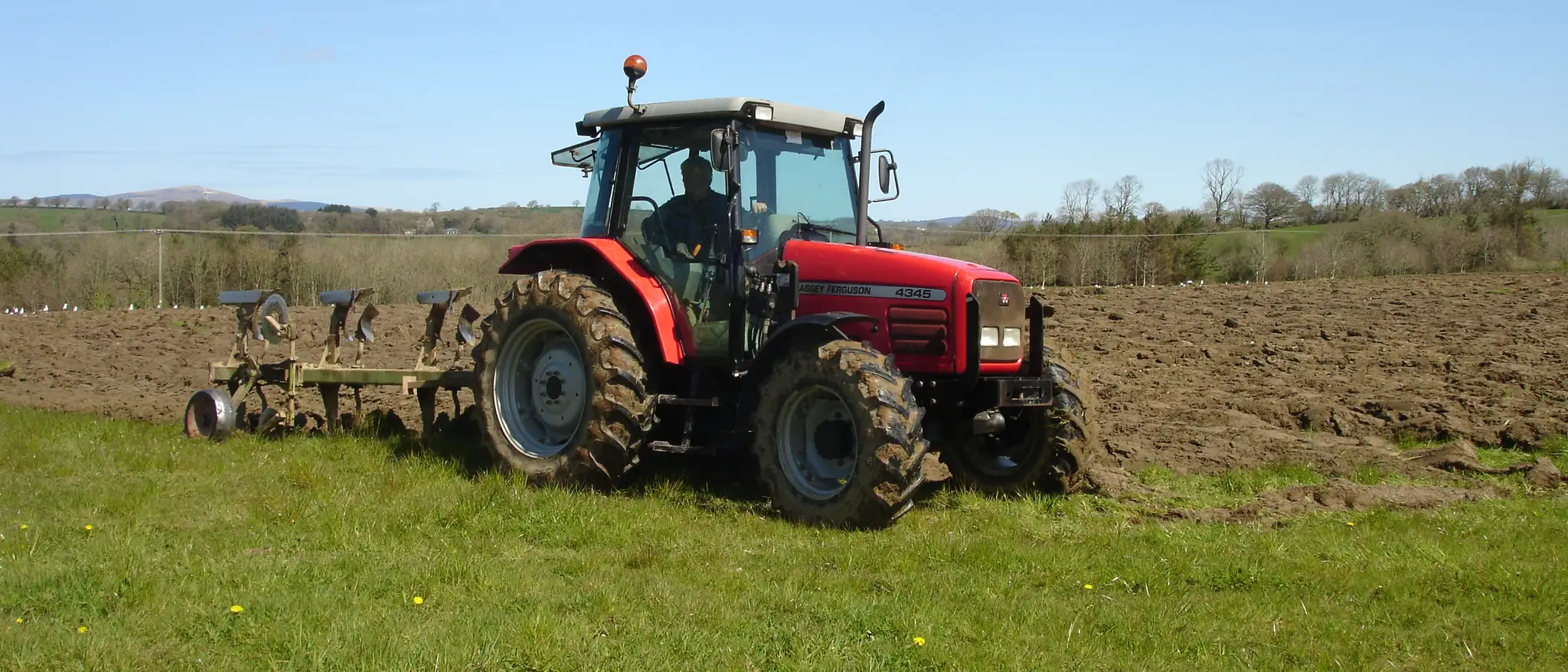
- Plough and cultivate. Buries the old sward and its weed seeds and gives a clean, level seedbed, but it takes the most passes.
- Minimum tillage. Kill the old sward, cultivate shallowly and sow. Conventional farms usually spray the old sward off; organic farms rely on cultivation.
- Direct drill. Kill the old sward and drill straight into it. It's the fewest passes, but it depends on a good kill and a close watch for slugs.
You don't have to go straight from old grass to new:
- Forage brassicas make a good cover crop before a spring reseed, and feed stock through the winter. See stubble turnips and forage brassicas.
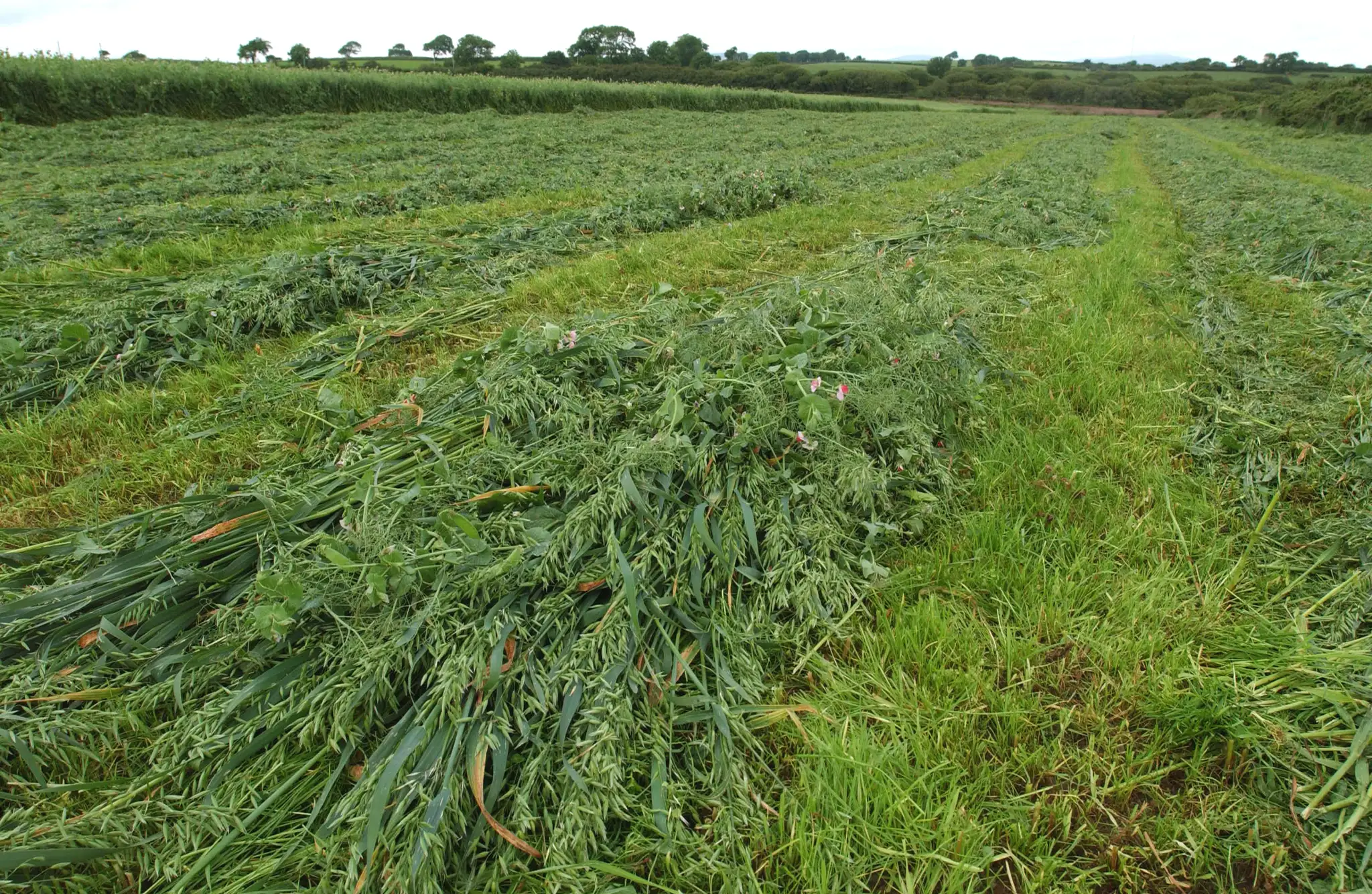
- An arable silage mix sown with the new ley in spring is cut 9 to 10 weeks later, so the young grass gets the light it needs and you still fill the clamp. A wholecrop, left 15 to 16 weeks, shades the seedlings for too long. See arable silage.
Getting new seed to take
Whichever route you choose, the same few things decide whether the seed takes. This is standard practice, so ask us or your agronomist about your own field.
- Timing. Sow into warm, moist soil: in spring once the soil has warmed, usually from mid-April, or in late summer, from mid-August to mid-September. Clover and herbs need time to establish before winter, so don't sow them late.
- Open the sward when you overseed. Graze or mow hard first, then harrow so the seed reaches the soil. The existing grass is the biggest threat to new seedlings, so keep it grazed down until they're established.
- Seedbed for a reseed. Fine, firm and level. Sow grass and clover shallow, no deeper than about 1 cm.
- Rolling. Roll after sowing, and before it if the seedbed is loose, so the seed sits in firm contact with moist soil.
- Slugs and pests. Check for slugs from sowing until the plants are established, especially after old grass and in a damp autumn. Leatherjackets and frit fly can also hit a reseed that follows grass. Sowing in the spring after an autumn sown brassica break avoids these problems.
- Weeds. Deal with them while they're small. Many herbicides damage clover and herbs, so check the label against your mixture, or ask your agronomist.
- First grazing. Graze lightly once the plants don't pull out when you tug them, often 6 to 8 weeks after sowing. A quick, light grazing helps the grass tiller and thicken. Keep stock off when the ground is soft.
Choosing your seed
Repair mixtures and new leys are on our grass ley range, and SELECT and FORTIFY are on herbs and clover. To work out how many bags, see seed rates. Not sure whether to repair or reseed? Ask us and tell us what's growing in the field.
Common questions.
Yes. SALVUS is broadcast or direct drilled into the existing sward, so a damaged ley can be repaired without ploughing or spraying it off. It comes as conventional or organic seed.
It is when the sward still has plenty of good grass and the gaps give new seedlings room. It keeps the field in production and saves cultivations. It won't fix a field that's mostly weed grasses, because the established plants crowd out the new ones; reseed that instead.
It depends on the method, the passes and what the soil needs, and seed is only part of it. Our leys come in one-acre bags, so the seed for an acre is one bag, and repairing or topping up uses less. Each product page shows the price.
You can, or buy the PLUS mixtures with them already in. A 1 kg pack of AGRI TONIC Plantain, PUNA II Chicory or QUATRO mixes with up to 5 acres of grass seed.
In England, SALVUS PLUS and FORTIFY are suitable for SFI CSAM3. SELECTand FORTIFY for CNUM2. SFI26 is closed to new applications until 2027, so check the rules with the scheme before you order.
Keep reading
More from the field.
Before you drill
Talk it through with an agronomist.
Tell us the field and what you want it to do. We'll help you settle the mix and the timing — and blend it if you'd like us to.
The Drill
Seasonal advice, in your inbox.
The Drill is our free newsletter delivered periodically to your inbox with seasonal advice and information. A few notes a season - no noise.